Footprint of Leader John Karanja “Quindos” in Bahati
BAHATI, NAKURU
In the bustling market centers of Maili Kumi, Kabatini, and Wanyororo, the local conversation inevitably circles back to one critical theme: grassroots development. For the residents of Bahati Sub-County, political leadership isn’t judged by fiery speeches on national television, but by the tangible improvements made to roads, schools, agricultural infrastructure, and youth employment.
Lately, prominent local leader and public figure John Karanja, popularly known to constituents as “Quindos,” has been at the center of these community evaluations. As a key political figure in the region, his approach to public service, community mobilization, and constituency development continues to spark vibrant debate across Nakuru County.
But what does his leadership mean for the ordinary resident on the ground? Bahati News took to the streets to assess his local impact, gathering insights from traders, farmers, and youth leaders.
The Man and the Mission: Background and Context
John Karanja “Quindos” has long been a household name in Bahati politics, recognized for his deep-rooted connections to the local electorate. Known for a highly approachable, grassroots style, “Quindos” has built a reputation around direct community engagement.
In a constituency where small-scale farming and the informal jua kali sector drive the local economy, leadership demands an acute focus on basic infrastructure. For years, Bahati residents have grappled with the challenges of accessing markets during the rainy season, finding reliable water for irrigation, and securing bursaries for bright but needy students.
Across Nakuru County, the pressure is on leaders to align with the national economic agenda while delivering immediate local solutions. For Quindos, navigating these expectations has meant balancing large-scale county consultations with village-level barazas.
On the Ground: What Bahati Residents Are Saying
To understand his true impact, we spoke to residents whose livelihoods depend on the very policies and development funds managed by local leadership.
In the heart of Maili Kumi market, Mama Jane Wairimu, a fresh produce trader, notes both progress and areas needing urgent intervention.
“We have seen improvements in some of our feeder roads, which has helped us get potatoes and vegetables from the farms to the market faster,” she says. “Quindos understands the local struggle because he is always on the ground. However, we still need better drainage and lighting in the market so we can extend our business hours safely.”
For the youth, the focus is strictly on jobs and technical training. Over the past year, youth groups in Bahati have actively lobbied for the expansion of Technical and Vocational Education and Training (TVET) centers and the fair distribution of constituency bursary funds.
Amos Kipronoh, a young artisan from Kabatini, shares his perspective:
“The distribution of education bursaries has thrown a lifeline to many families around here. But as youth, we are looking beyond school. We need empowerment programs that support agribusiness and digital skills. Whenever Quindos meets us, we push this agenda, and we are watching closely to see how many of these promises turn into actual budget allocations.”
Balancing the Scales: A Look at Regional Relevance
From a broader Nakuru County perspective, Bahati serves as a critical agricultural and residential hub feeding Nakuru City. Therefore, the performance of leaders like John Karanja Quindos ripples far beyond the sub-county borders.
Political analysts in the region argue that Quindos’ strength lies in his conversational and accessible political style—often avoiding the heavy sensationalism that characterizes modern Kenyan politics. By maintaining a steady presence at local fund drives, school openings, and agricultural forums, he has managed to keep his finger on the pulse of the community.
However, challenges remain. Critics point out that while grassroots popularity is highly valuable, the ultimate measure of success for any contemporary leader in Nakuru is the systematic, transparent implementation of long-term development projects that survive beyond an election cycle.
The Way Forward: Cultivating Inclusive Leadership
As Bahati strides into a future focused on economic recovery and community resilience, the relationship between the electorate and leaders like John Karanja Quindos must remain collaborative.
To achieve sustainable progress, the community is advocating for:
Enhanced Transparency: Regular public forums where updates on development funds, school projects, and road grading schedules are clearly laid out.
Prioritizing Agribusiness: Structured support for Bahati’s smallholder farmers through cold-storage facilities and links to wider markets in Nakuru and Nairobi.
Youth-Centric Capital: Accessible grants and equipment loans for young entrepreneurs entering the manufacturing, transport, and creative sectors.
Leadership is a continuous dialogue, and figures like Quindos remain central to how Bahati shapes its economic destiny.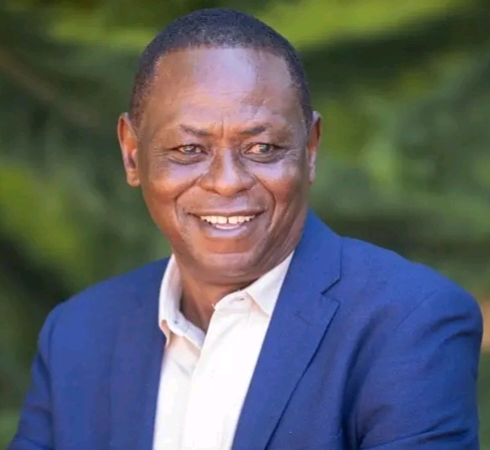



Okay